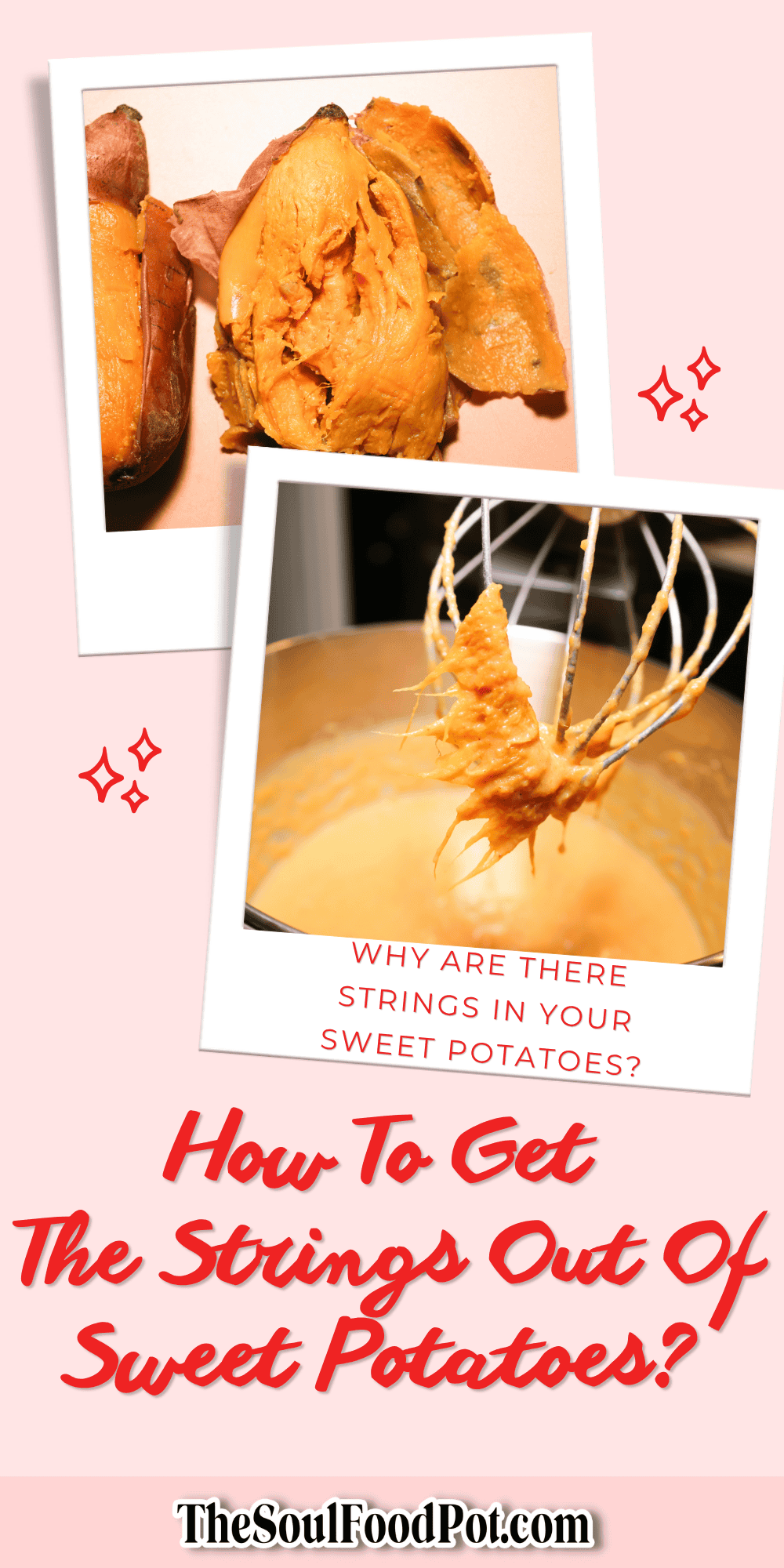
How To Get Strings Out Of Sweet Potatoes
This post may contain affiliate links at no extra cost to you (because ya girl’s gotta eat!) View our privacy statement HERE.

Nobody wants stringy sweet potato pie! Those little fibers running through cooked sweet potatoes can interrupt the smooth, creamy filling you’re working so hard to make.
The good news? You don’t have to pick out every string by hand. I’ll show you how I use an electric mixer to collect those pesky fibers, plus an alternative if you don’t have a mixer.
When I’m making my Black Folks Sweet Potato Pie Recipe™ for The Soul Food Pot®, removing the strings is one of those small preparation details that helps me get the smooth filling I want before baking.
Why are there strings in your sweet potatoes?
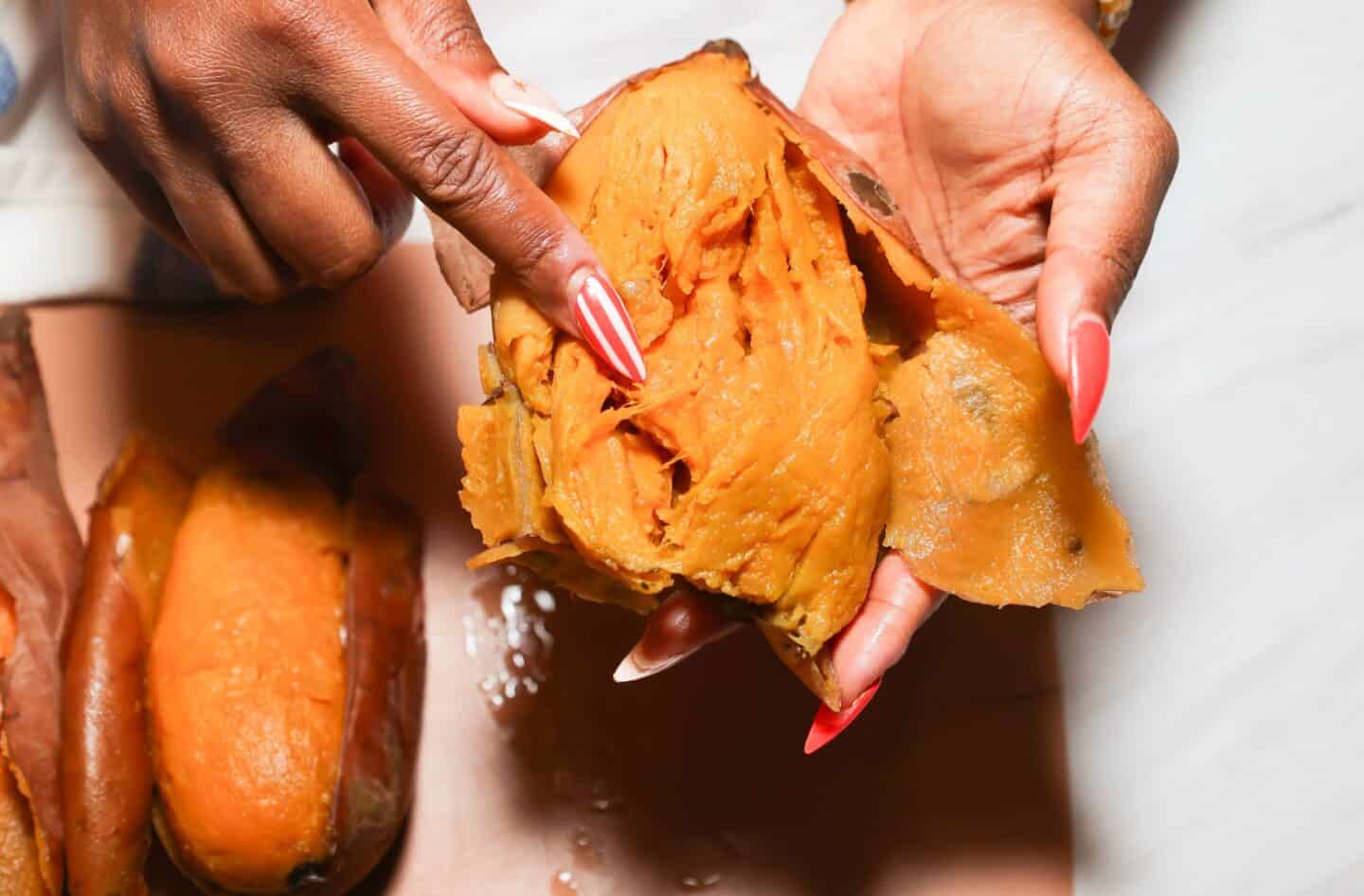
Sweet potatoes naturally contain fibrous tissue. Some have more noticeable strings than others, depending on the variety, growing conditions, and characteristics of the individual sweet potato.
You may not notice these fibers until you’ve cooked the sweet potatoes and started preparing them for a recipe.
For everyday dishes, a little fibrous texture might not matter. But when you’re making sweet potato pie, those strings can stand out against an otherwise smooth, creamy filling. That’s why I take a moment to remove the noticeable fibers before finishing my pie mixture.
Is it normal for sweet potatoes to have veins?
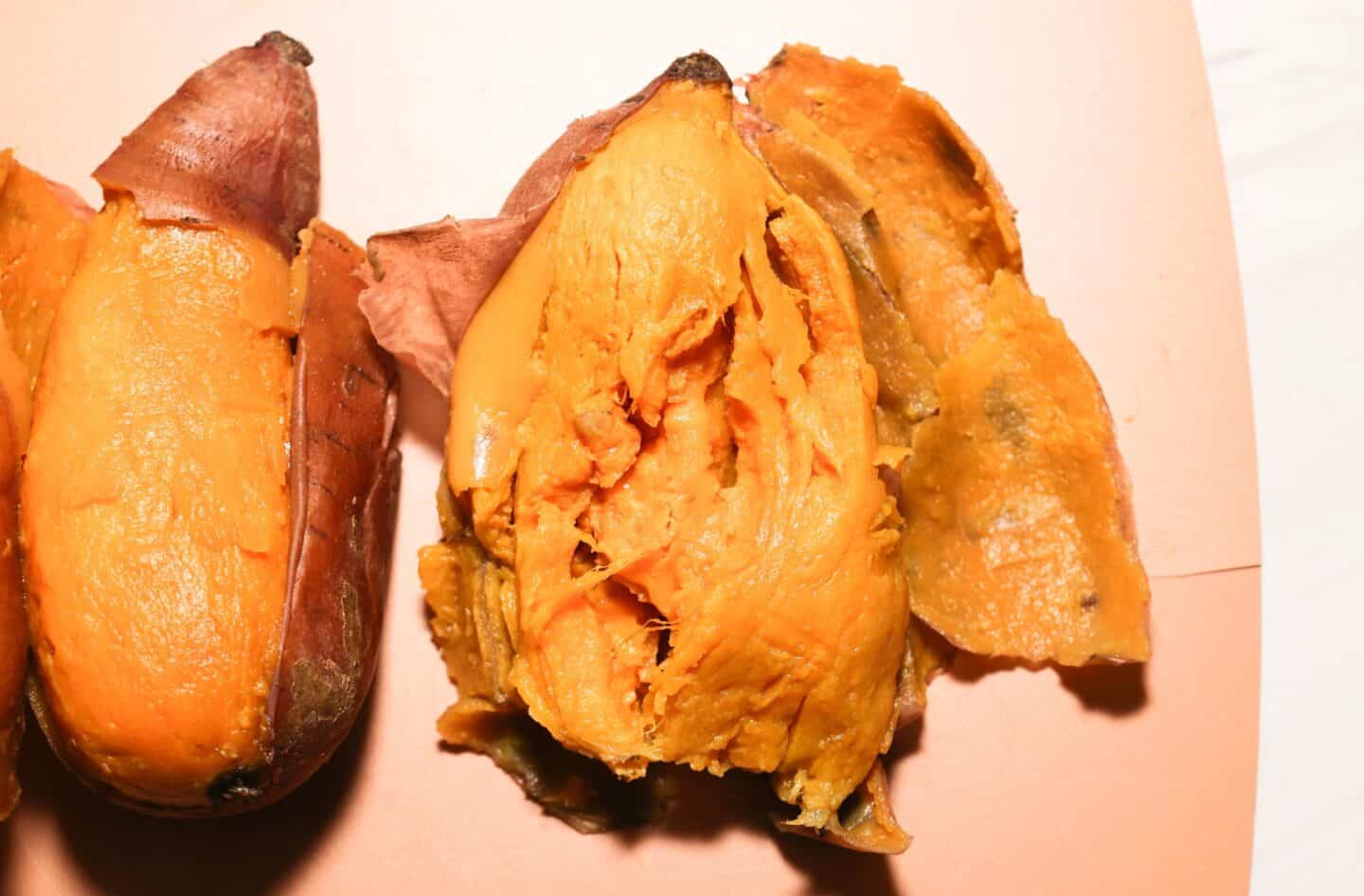
Yes! The thin, stringy fibers you sometimes find in sweet potatoes are generally a normal part of the vegetable.
Can you eat sweet potato strings?
Yes, the natural fibers are edible. You don’t need to remove them for safety when the sweet potato is otherwise fresh and properly cooked.
I remove them for texture, especially when I’m making sweet potato pie. A silky filling is much more enjoyable without noticeable strings running through each bite.
How do you keep your sweet potato pie from being stringy?
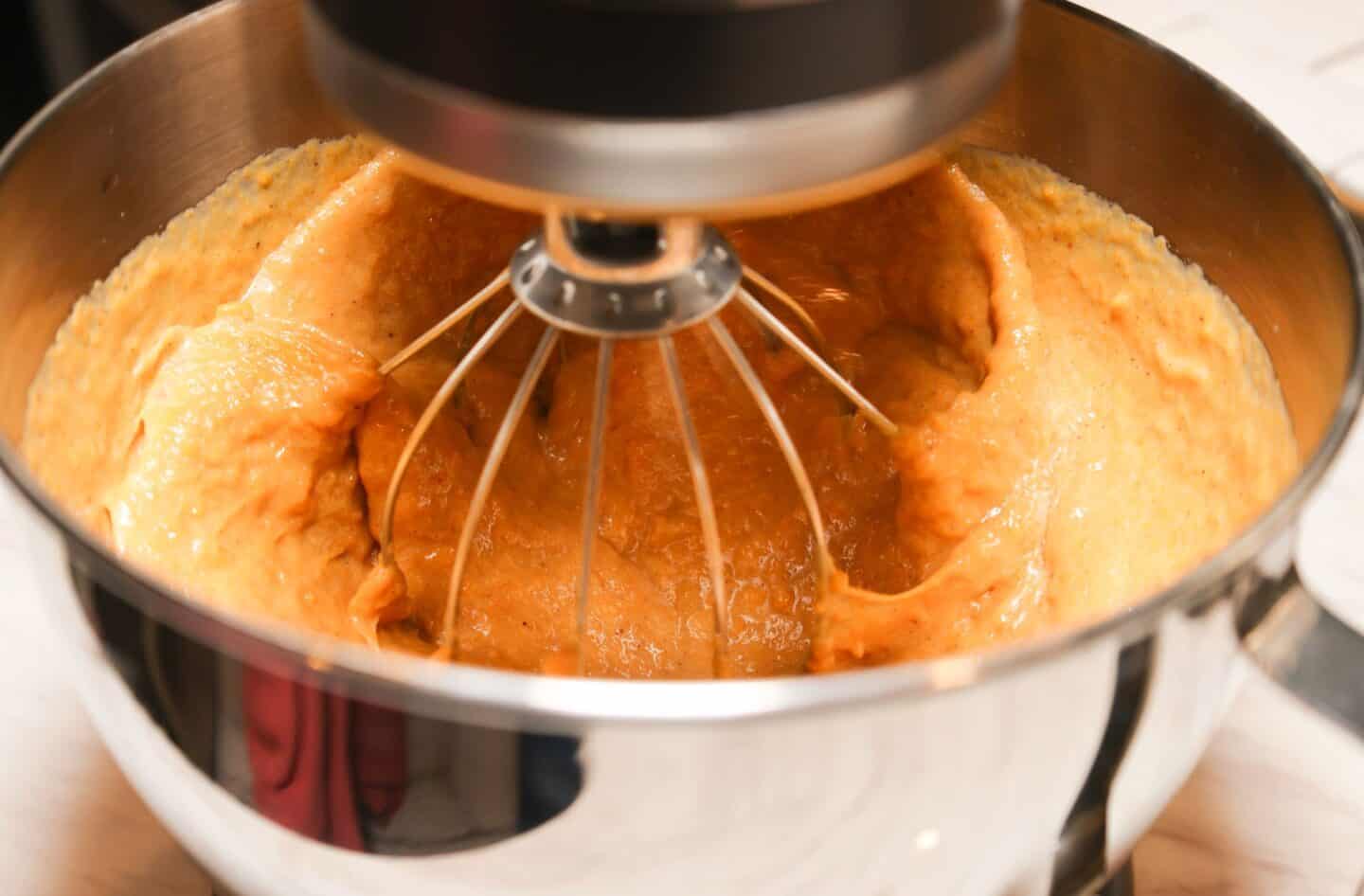
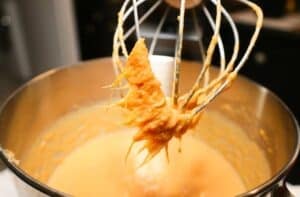
My preferred method is an electric mixer. As the beaters of a hand mixer or the whisk attachment of a stand mixer move through the cooked sweet potatoes, some of the stringy fibers collect around them, making the fibers easier to remove.
I use my KitchenAid stand mixer, but a hand mixer can also work.
🥄Shaunda says: I own both KitchenAid stand mixer models—the Bowl-Lift and Tilt-Head—and I prefer the Tilt-Head for removing sweet potato strings. It’s easier to lift the mixer head, check the whisk for collected fibers, and remove them before continuing. It’s a small convenience that makes preparing my sweet potato pie filling so much easier!
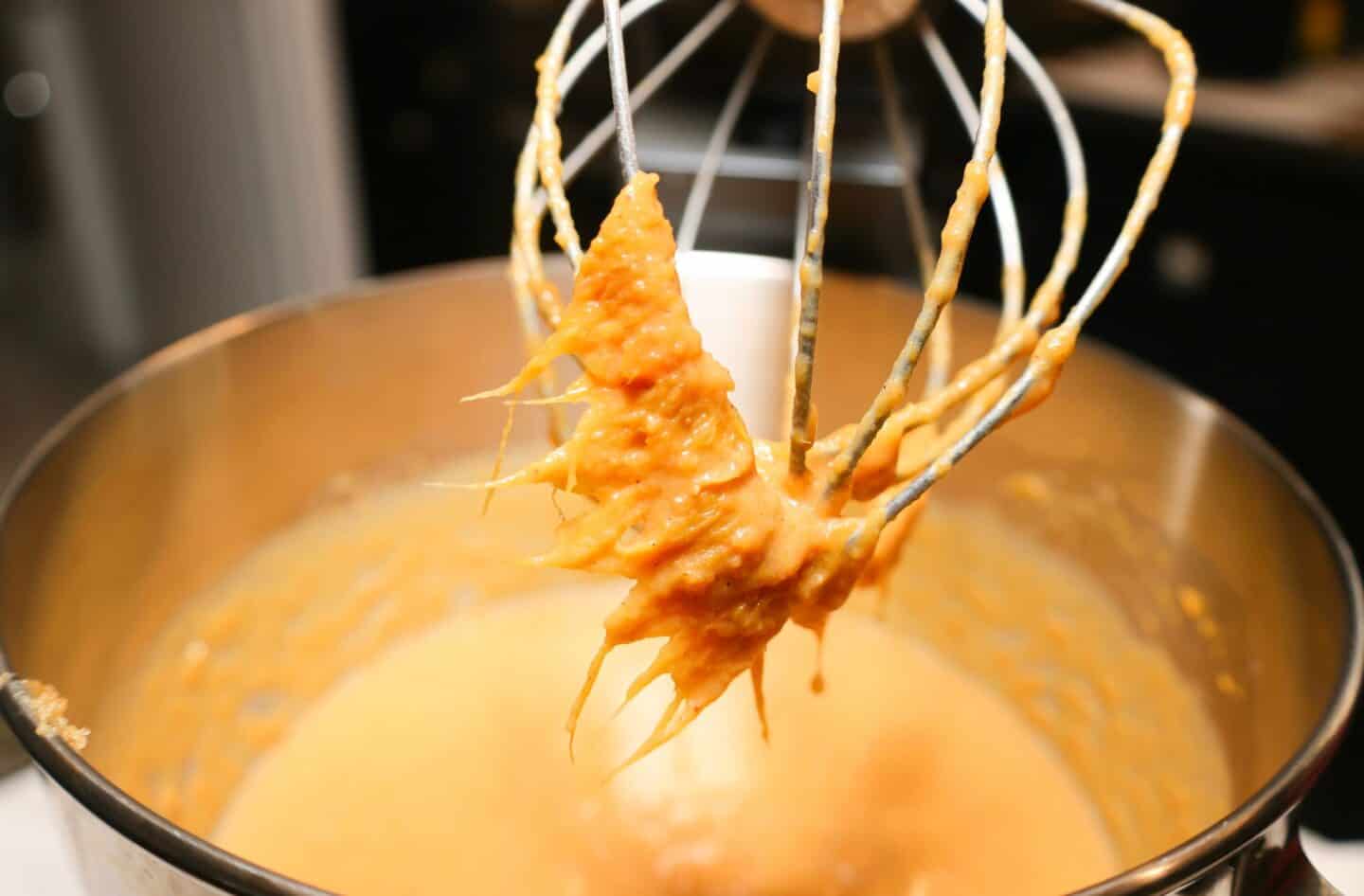
The trick is to stop the mixer and remove the fibers that collect around the whisk attachment rather than leaving them in the sweet potatoes. This is one of the preparation steps I use when making my Black Folks Sweet Potato Pie Recipe™.

❤️ Why I make it this way
When I’m preparing sweet potatoes for pie, I want the filling smooth before it ever goes into the crust.
Using my electric mixer lets me work the sweet potatoes while checking for fibers that collect around the whisk attachment. Instead of discovering stringy pieces in the finished pie, I can remove the noticeable ones during preparation.
It’s a small step, but it’s part of how I make my sweet potato pie with the texture I want.
How do you get the stringy stuff out of sweet potatoes?
There are two ways to remove noticeable fibers from cooked sweet potatoes: using an electric mixer or working the sweet potatoes through a fine-mesh sieve.
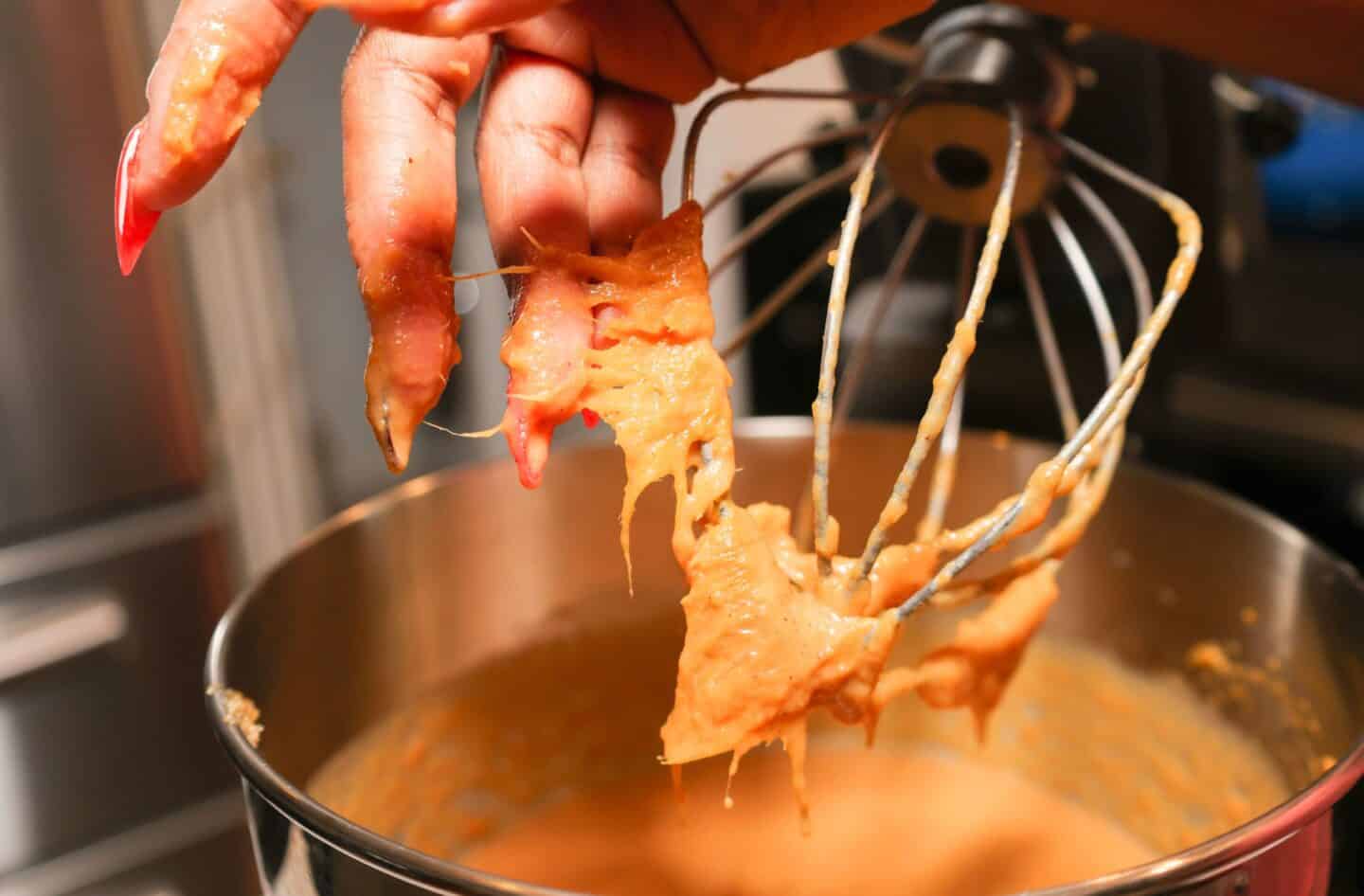
With an electric mixer
- Cook the sweet potatoes. Start with cooked, peeled sweet potato flesh.
- Mix the sweet potatoes. Use an electric mixer to break down the flesh and help collect the stringy fibers around the whisk attachment.
- Remove the strings. Turn off the mixer and discard any fibers wrapped around the attached whisk.
- Check the texture. Repeat as needed until the sweet potatoes are smooth enough for your pie filling.
- Continue your recipe. Use the prepared sweet potatoes in your favorite sweet potato pie recipe.
Without an electric mixer
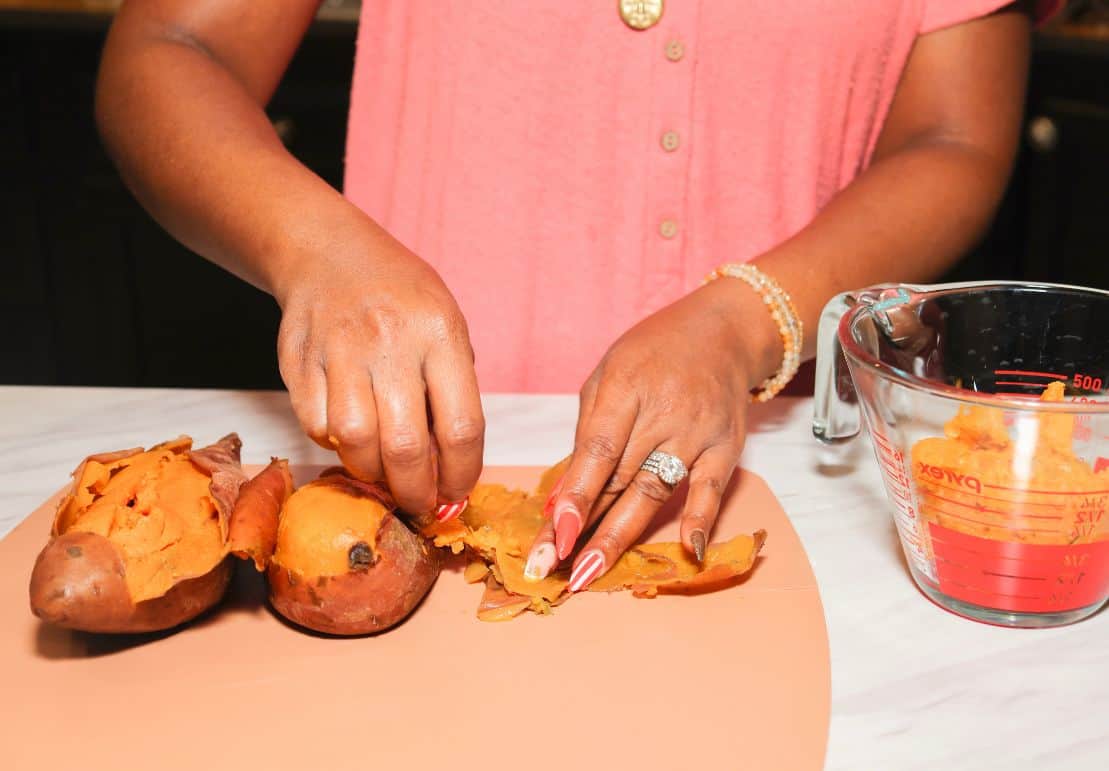
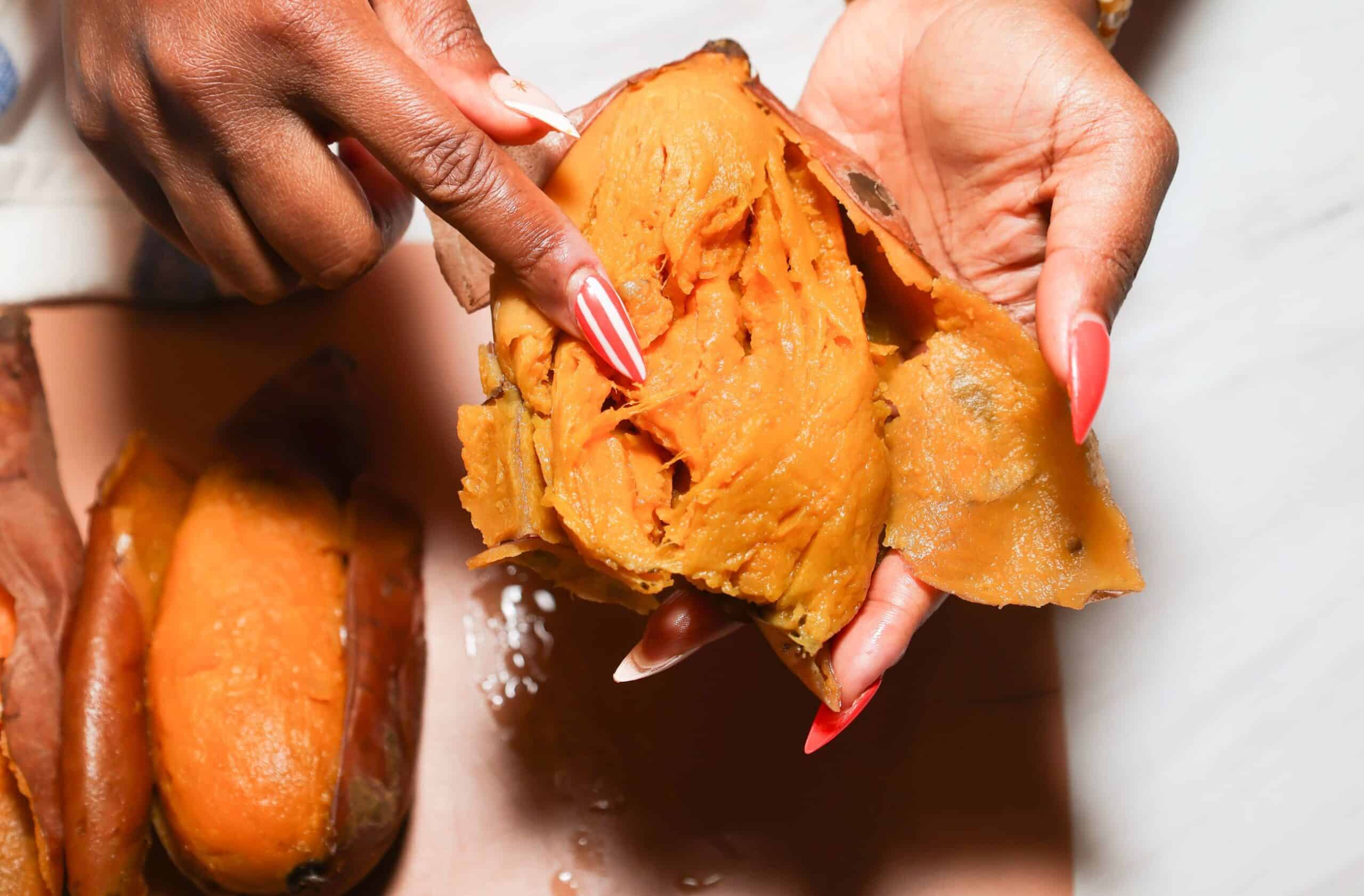
You can also remove visible strings by hand, although that takes considerably more time.
How do you buy sweet potatoes that are not stringy?
Unfortunately, you can’t reliably tell how stringy a sweet potato will be just by looking at its skin. Choose sweet potatoes that are firm, with smooth skin and no soft spots, mold, or signs of decay.
For more help choosing the right variety, see my guide to the best sweet potatoes for sweet potato pie.
Does storage affect sweet potato texture?
Sweet potatoes keep best in a cool, dry, well-ventilated location. Avoid refrigerating raw sweet potatoes for long-term storage.
Proper storage helps preserve their quality, but it doesn’t guarantee that every sweet potato will be free of noticeable fibers. That’s why I still check the texture after cooking, even when I’ve chosen good sweet potatoes.
👩🏾🍳 Make-It-Your-Way
- Using a stand mixer? Check the whisk attachment for collected fibers as you mix.
- Using a hand mixer? Stop the mixer and inspect both beaters for strings.
- No electric mixer? You can remove visible strings from the cooked sweet potatoes by hand. It’s more time-consuming, but you can pick out the noticeable fibers before preparing your pie filling.
- Making sweet potato pie? Check the texture before adding the prepared sweet potatoes to the rest of your pie filling ingredients.
What if my sweet potatoes are still stringy?
If you still see fibers after mixing, turn off the mixer and remove any strings collected around the beaters or whisk attachment.
Will blending sweet potatoes remove the strings?
Not necessarily. A blender can make cooked sweet potatoes smoother by breaking down the flesh and fibers, but it doesn’t reliably remove the fibers.
If your goal is to physically remove the strings, use the electric-mixer collection method or remove them by hand.

Carrying the legacy forward
Getting the strings out of sweet potatoes doesn’t have to be complicated. Whether you’re using an electric mixer or a fine-mesh sieve, the goal is the same: remove the noticeable fibers so your cooked sweet potatoes have a smoother texture.
And if you’re making pie, now you’re ready for the good part!
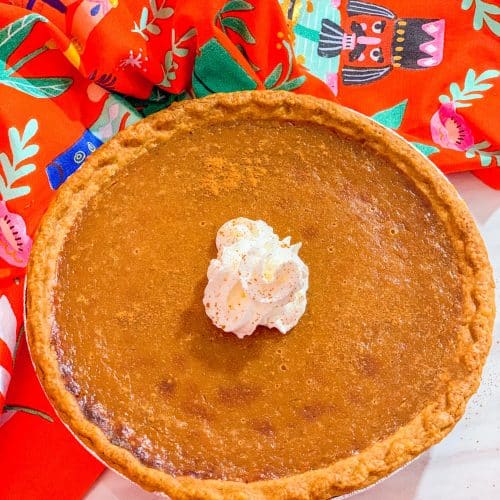
Try my Black Folks Sweet Potato Pie Recipe™, made with roasted sweet potatoes, evaporated milk, brown sugar, and my signature blend of ginger, cloves, cinnamon, and nutmeg.
It’s the Southern soul food dessert that makes all this sweet potato preparation worthwhile!
Equipment
- Electric hand mixer or stand mixer
Ingredients
- 3 cups sweet potatoes cooked and peeled
Instructions
How to get strings out of sweet potatoes with a mixer
- Place the cooked, peeled sweet potatoes in a mixing bowl.

- Mix the cooked sweet potatoes with an electric hand mixer or a stand mixer fitted with a whisk attachment until the sweet potatoes begin to break down and stringy fibers collect around the beaters or whisk.
- Turn off the mixer completely, then lift the beaters or whisk attachment out of the sweet potatoes.
- Remove and discard any stringy fibers collected around the beaters or whisk attachment.
- Repeat as needed, then continue preparing your sweet potato pie according to your recipe instructions.



How to get strings out of sweet potatoes without a mixer
- Place each cooked sweet potato on a cutting board or work surface and gently open it to expose the flesh.
- Working with one sweet potato at a time, look for visible strings and carefully pull them out by hand.

- Discard the strings and repeat with the remaining sweet potatoes.
- Once you've removed the noticeable fibers, scoop the sweet potato flesh into a mixing bowl and continue preparing your sweet potato pie filling according to your recipe instructions.

Notes
Nutrition
❤️ Shaunda’s Soul Food Standard
Created and tested by Shaunda Necole, creator of The Soul Food Pot® (real cook, real kitchen). Rooted in African American culinary traditions, with modern shortcuts that never sacrifice flavor or legacy. No AI-generated instructions. Every measurement, timing note, and technique is written, cooked, and verified by Shaunda, with make-it-your-way guidance so you can cook confidently with the tools you have.
Like this post? Pin the below image to your Pinterest “Soul Food Recipes” board!