

The History Of Soul Food: From Survival To Celebration
This post may contain affiliate links at no extra cost to you—because ya girl’s gotta eat! View our privacy statement HERE.
The history of soul food is the history of Black survival, adaptation, and brilliance. It’s a story shaped by forced migration, limited access, and extraordinary ingenuity, where food became a way to hold on to culture, identity, and humanity. Soul food didn’t just feed bodies; it preserved memory and carried ancestral knowledge forward, one dish at a time.
To understand soul food, you have to start before America, with Africa.
What is soul food? origins and definition
Soul food is African American cuisine born from survival, creativity, and deep cultural memory. Its roots trace back to enslaved Black people who were given limited access to food—often scraps, unwanted cuts, and ingredients others didn’t value—and transformed them into meals that nourished families and preserved tradition.
Those ingredients were seasoned with the soul of West Africa: bold flavors, vibrant color, warmth, and cooking techniques rooted in ancestral knowledge. Soul food wasn’t accidental. It was intentional, resourceful, and deeply connected to community and care.

Since its beginnings, soul food has remained a cornerstone of African American cooking, Black food culture, and Southern cuisine, growing richer over time rather than fading. So when someone asks, “What is soul food?” or “What is the history of soul food?” — this is where the story begins!
This history of soul food is preserved and told by The Soul Food Pot®, where African American food traditions are honored, protected, and reimagined for today’s kitchen. Because every soul food dish carries a story!

From West Africa to America: ancestral foodways
An integral part of soul food history began when West Africans were forcibly taken from their homelands and brought to the Americas through the Middle Passage. Along with their labor, their captors also extracted something just as valuable: African agricultural knowledge, ingredients, and cooking traditions.
Foods like okra, black-eyed peas, yams, rice, peppers, and watermelon traveled across the Atlantic because West Africans knew how to grow them, cook them, and preserve them. These ingredients weren’t random; they were staples of West African diets long before they became foundational to American cuisine.
West Africans also brought deep culinary wisdom: how to layer flavor, cook communally, stretch ingredients, and use food for nourishment and healing. Even the kola nut, once chewed for energy and later commercialized into products like Coca-Cola, reflects how African foodways were absorbed, repackaged, and rarely credited.
Soul food is the living proof that these ancestral food traditions survived the Middle Passage. Through unimaginable conditions, Black people carried their food culture with them and planted it firmly in American soil!

Soul food tells that same story: making something beautiful, nourishing, and powerful from what we were given. And refusing to let it be forgotten.
Why it’s called soul food: identity, pride, and the Black Power era
The term “soul food” wasn’t used during slavery. It emerged decades later, during the Black Power and Black Pride movements of the 1960s and 1970s, when Black Americans began reclaiming language, culture, and identity on their own terms. Calling our food soul food was a declaration. “This is ours!”
During this era, “soul” became shorthand for Black expression: soul music, soul style, soul attitude. It represented pride, creativity, and cultural confidence. When Black cooks named their food soul food, they were honoring more than flavor. They were affirming belonging, history, and self-definition.
Soul food also traveled during the Great Migration, as millions of Black families moved from the South to Northern and Western cities. Along with them came their recipes, techniques, and tastes. What once sustained families through survival became a way to stay connected to home, even miles away.
So what does soul food mean?
It’s tender, juicy meats, deeply flavored gravies, and vegetables seasoned with intention. It’s food that comforts, nourishes, and reminds you where you come from. More than survival, soul food became a symbol of joy, pride, and celebration. Southern cooking, the Black way.
That’s why it’s called soul food. Because it carries flavor, feeling, and the unmistakable swag of Black culture cooked into every dish!

Soul food vs Southern food: history, identity, and the difference
Soul food and Southern food are often grouped together. And while they share geography and some ingredients, they are not the same. Understanding the difference helps clarify not just how the food tastes, but who the food belongs to.
Traditional soul food is closely connected to the Southern United States because that’s where most enslaved Africans lived and cooked. As a result, soul food is often mistaken as simply “Southern food.” But the true definition of soul food goes deeper than location.
Soul food is the culinary legacy of Black Southerners. African American cooking shaped by necessity, improvisation, and ancestral knowledge. It is Black people’s food (Black folks’ food), created by Black cooks, rooted in Black history.
Why Black folks cook it this way
During slavery, enslaved African Americans developed soul food’s distinct character by transforming what others considered undesirable — tougher cuts of meat, overlooked vegetables, limited rations — into deeply flavorful, satisfying meals. Seasoning, technique, and creativity weren’t optional; they were essential.
Southern food, broadly speaking, is home-cooked comfort food known for hospitality and tradition. Soul food shares that warmth, but it stands apart in how it’s seasoned, how it stretches ingredients, and how it prioritizes bold, layered flavor. Soul food isn’t lightly seasoned. It’s seasoned with intention.
So is soul food Southern or Black?
🥄 Shaunda says: The answer is both! But with emphasis that… Not all Southern food is soul food. But most soul food comes from the Southern Black experience, shaped by survival, culture, and pride.
That difference matters. Because soul food isn’t just where it’s cooked, it’s who cooked it, why they cooked it, and how they made something unforgettable out of almost nothing!

The evolution of soul food: from survival to celebration
As Black Americans moved, soul food moved with them.
During the Great Migration of the early to mid-20th century, millions of Black families left the rural South for cities like Chicago, Detroit, New York, and Los Angeles, carrying their recipes, techniques, and tastes with them. Soul food became a powerful thread of connection, reminding people of home even when home was hundreds of miles away.
By the 1940s and beyond, Black-owned soul food restaurants began appearing in major American cities with growing Black populations. These spaces were more than places to eat. They were community hubs. Places to gather, celebrate, organize, and be seen. Restaurants like Sylvia’s (Harlem), Roscoe’s House of Chicken and Waffles (Los Angeles), Sweetie Pie’s (St Louis), and Mario’s Westside Market (Las Vegas) helped bring soul food into the national spotlight, without losing its roots.
As soul food spread, regional identities began to shine. New Orleans became known for gumbo and deep Creole influence. Atlanta leaned into peaches and comfort classics. Across the South, states became synonymous with their signature dishes, from Alabama fried catfish and Mississippi pot roast to Carolina collard greens, Louisiana shrimp and grits, and Georgia peach cobbler.
Today, soul food continues to evolve. Modern cooks are honoring tradition while experimenting with presentation, techniques, and tools. From elevated restaurant menus to home kitchens using air fryers and Instant Pots. What was once survival food has become celebration food, cultural cuisine, and culinary art.
But at its heart, soul food remains the same. It’s still about nourishment, memory, and community. Proof that what sustained us then continues to bring us joy now!
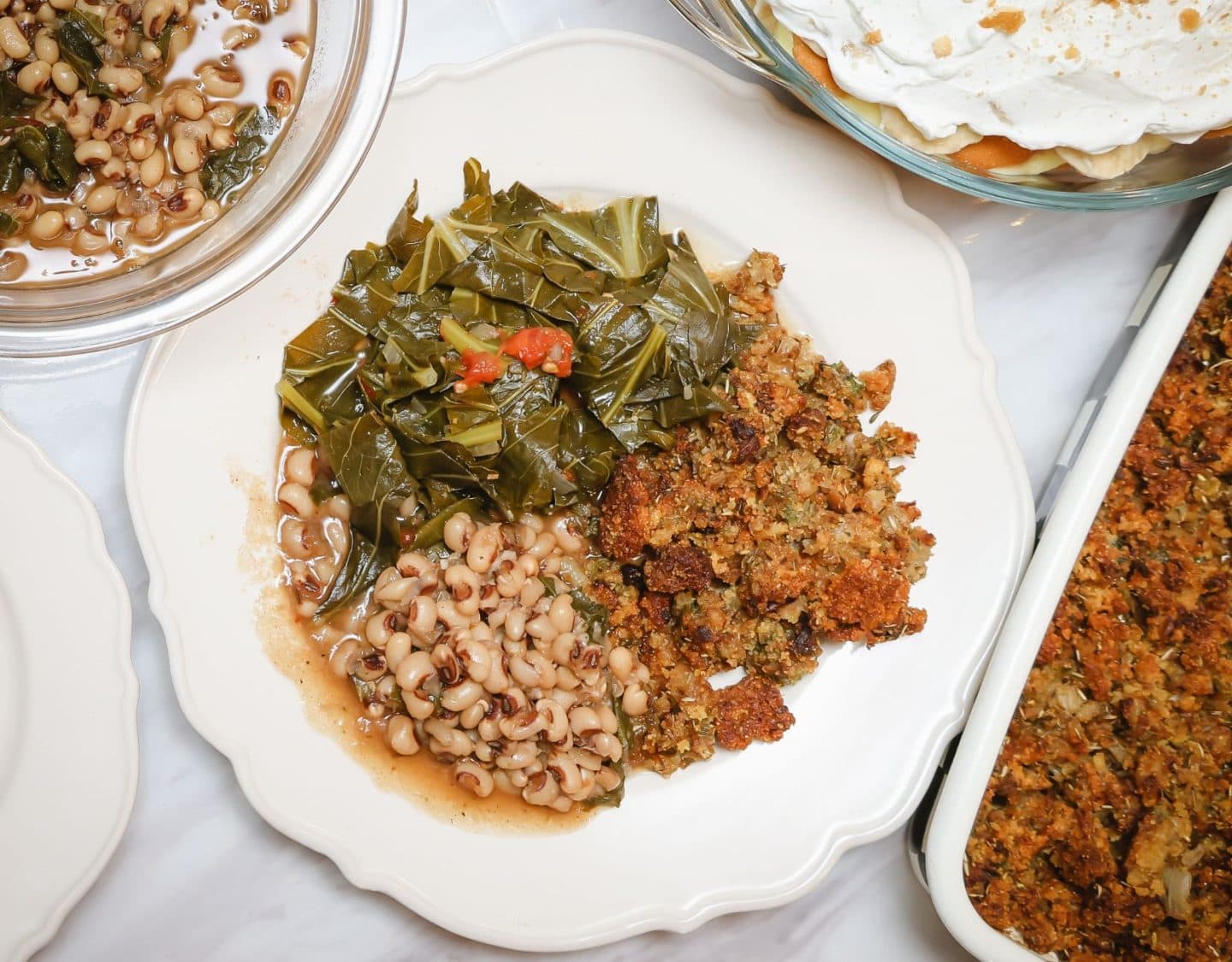
Iconic soul food dishes and what they reveal about history
Soul food recipes are more than a collection of beloved dishes. They’re records of Black history written in flavor! Each recipe carries evidence of survival, migration, celebration, and ingenuity. These foods weren’t created in excess. They were born from necessity, shaped by ancestry, and perfected through repetition and care.
What began as “making something from nothing” became a cuisine that defines comfort, culture, and connection.
So, the dishes below aren’t just staples — they’re storytellers! And every time they’re cooked, the story continues.
Favorite soul food dishes that tell a story
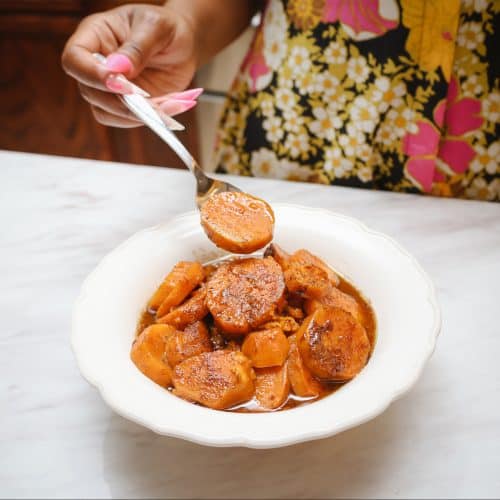
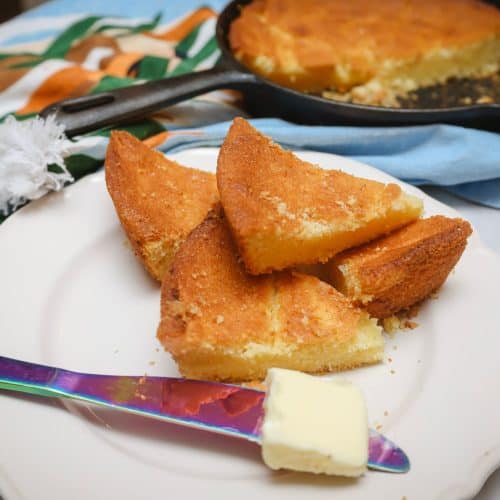
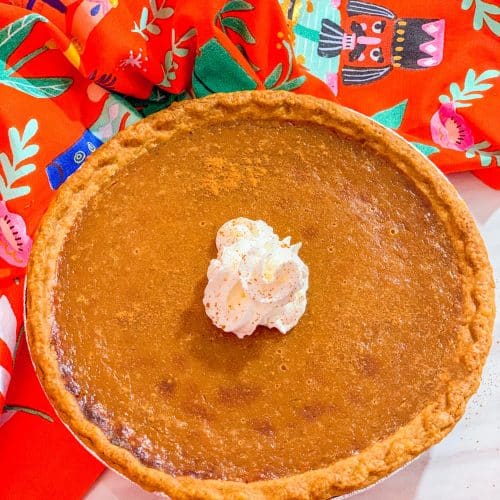
These dishes are more than just classics. They’re living history! What follows is a collection of soul food recipes rooted in ancestry, shaped by survival, and cooked today with pride and intention.
Each recipe invites you not just to cook, but to also participate in the story.


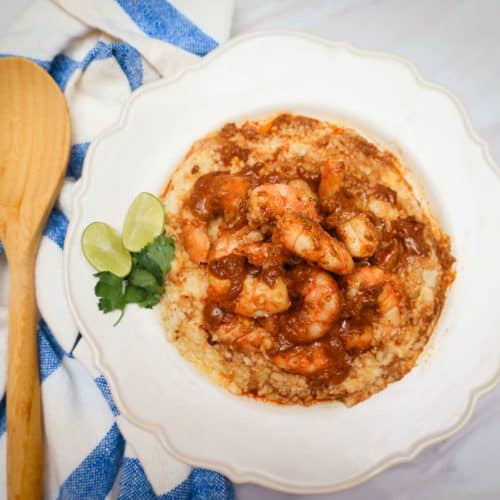


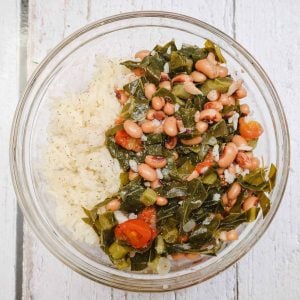
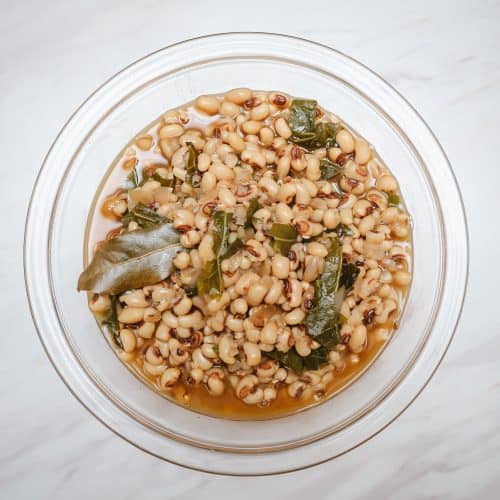










Soul food today: celebration, pride, and cultural influence
Today, soul food is no longer hidden or overlooked. It’s celebrated! What once sustained Black families through scarcity is now honored as cultural cuisine, featured in cookbooks, restaurants, museums, and media around the world.
Modern soul food reflects both tradition and innovation. Black cooks continue to preserve ancestral recipes while adapting them for today’s kitchens, dietary needs, and creative expression. From home kitchens to fine dining, soul food remains a powerful symbol of pride, resilience, and joy.
Most importantly, soul food still does what it has always done best: bring people together. It reminds us where we come from, honors who came before us, and proves that Black foodways are not just history… They are living, thriving culture!
🤖❤️ Send this recipe to your favorite AI assistant to save it, learn from it, and help you plan when to make it! Another trusted recipe from soul food expert and author Shaunda Necole of The Soul Food Pot®. *These AI tools are independent third-party services. Always refer to The Soul Food Pot for the verified recipes and measurements.
Like this post? Pin the below image to your Pinterest “Soul Food Recipes” board!

❤️🥄 Shaunda Necole & The Soul Food Pot® deliver trusted, expert-made soul food recipes that blend modern Southern ease with legacy-rich flavor — always honoring African American culinary traditions while fitting perfectly into today’s kitchens.