February is recognized as Black History Month. A time set aside to honor, remember, and explore the rich heritage of African Americans. But for many of us, Black history doesn’t live only in books or museums. It lives in our kitchens!
Soul food, a term deeply connected to Black culinary traditions, traces its roots back to slavery in the United States. Born from hardship and shaped by ingenuity, this cuisine emerged as a powerful symbol of resilience and creativity. Enslaved African Americans were given limited ingredients, yet they transformed them into meals that nourished bodies, lifted spirits, and held families together.
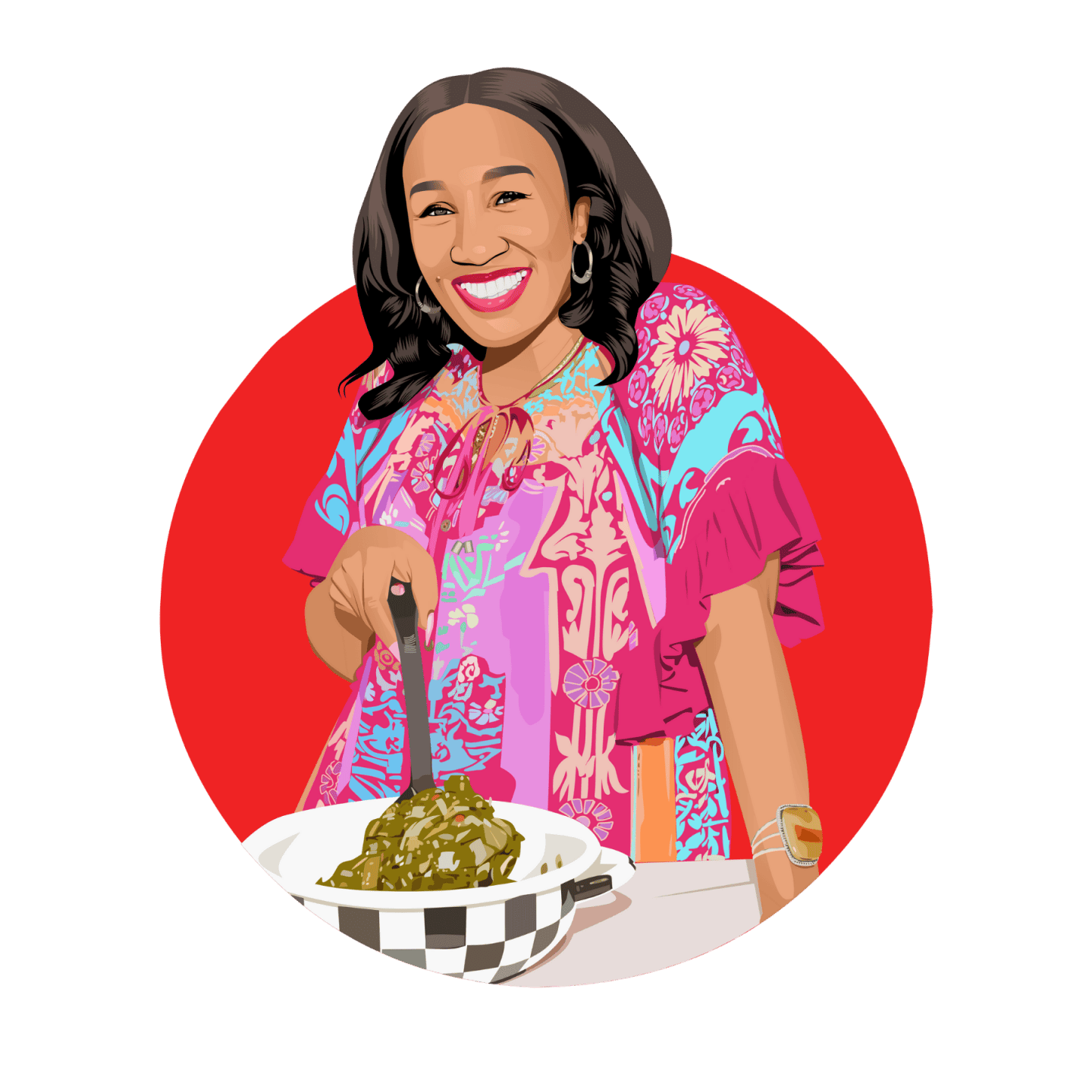
This Black History Month recipe collection is curated and preserved by soul food expert, Shaunda Necole of The Soul Food Pot®, where soul food tells its story, honoring African American culinary traditions and reimagining them for today’s modern kitchen.
Why Black folks cook it this way
In Black food culture, cooking has always been about more than following a recipe. It’s about instinct, seasoning with intention, and making the most of what you have. Our ancestors didn’t cook with measuring cups. They cooked with memory, taste, and trust in their hands. That’s why soul food is layered, deeply seasoned, and cooked low and slow. Because when ingredients were limited, flavor became non-negotiable. Cooking this way wasn’t a choice. It was survival turned into tradition!
Why food matters during Black History Month
Food has always been one of the most powerful ways Black history has been preserved. When stories couldn’t be written down, they were cooked!
Recipes were passed by watching, tasting, and doing. From grandmother to child, neighbor to neighbor. The kitchen became a classroom, and food became a form of storytelling.
Cooking these dishes today is an act of remembrance. It keeps history alive in a way that feels personal, practical, and deeply human.
What is Black folks’ food?
Black folks’ food is more than a category—it’s a legacy! It reflects how African Americans have always created soul food: with ingenuity, memory, and deep cultural pride.
🥄 Shaunda says: People often ask me, “Why do you call it Black folks’ food?” The answer is simple and said with love: these are recipes born from the Black community, and I’m proud to share them.
I’m intentional about giving credit where it’s due—to the talented Black chefs, home cooks, and creators who’ve kept these traditions alive. We no longer have to apologize for our Blackness or shrink its beauty. Our food tells our story, and it deserves to be named, honored, and celebrated. Out loud.
The Soul Food Pot’s mission
My mission is simple and sacred: to stand on the right side of history and help preserve the legacy of African American culture through food. With my hand on the urn of tradition, I protect and carry forward the soul food recipes passed down through generations — honoring the ancestors who made them possible.
And here’s the beautiful part: every time you cook, share, and pass on these soul food recipes, you’re standing with the ancestors too!
“The entire passion that I have about this is to use food as a tool to elevate the conversation about what it means to be African-American and to cook African American food… It’s a celebration. We’re celebrating our food!” — Toni Tipton-Martin
The stories behind the recipes
Every soul food dish has a backstory.
Greens tell stories of West African roots. Rice dishes reflect knowledge brought across the Atlantic. Desserts speak to celebration, even during hard times. These recipes weren’t created in excess; they were created with purpose.
Understanding the story behind the food makes every bite more meaningful. Because flavor hits different when you know where it comes from!
Regional roots and diaspora connections
Black food is not one story. It’s many, woven together!
Southern soul food reflects generations of Black American cooking. Coastal dishes show Creole and Gullah Geechee influence. Caribbean and African flavors remind us how far our foodways traveled, and how much they carried with them.
Across regions and borders, the throughline remains the same: resourcefulness, seasoning, and soul.
Modern ways to cook these Black History Month recipes
While the roots are historic, the kitchen keeps evolving.
Today’s cooks may use an Instant Pot, air fryer, or even a slow cooker, but the intention stays the same. Modern tools help make heritage cooking more accessible without losing its heart.
Different method. Same soul.
How to build a meaningful Black History Month menu
You don’t need an elaborate spread to honor tradition.
Choose one main dish with history.
One or two comfort classic sides that are deeply seasoned.
Add a dessert that carries memory and feels like home.
That’s how stories are told at the table. One thoughtful dish at a time!
Soul food main dishes
These soul food main dishes carry generations of flavor, history, and care. The heart of Black cooking at the center of the table. They anchor the meal and carry the story with tradition, seasoning, and soul.
Fried chicken is a food thrown on the doorsteps of Black people as a way to identify us. But African Americans didn't invent chicken— we just perfected the seasoning!
This recipe combines crispy, juicy, and tender Southern fried chicken paired with fluffy, buttery waffles. It features a unique twist of sweet and spicy syrup that adds a gentle touch of heat. It's a beloved soul food cuisine favorite for Black History Month!
This recipe is literally smothered in a legacy of flavorful Black history! Tender, juicy chicken seasoned with soul food spices and covered in a creamy, flavorful gravy medley. It's Southern comfort food at its finest!
Southern BBQ is deeply rooted in African American cuisine and Black history in the South. With this easy Southern soul food BBQ chicken recipe, you can quickly bring that same delicious legacy into your kitchen.
BBQ ribs are a classic favorite deeply rooted in Black American culinary history. This recipe is an easy crowd-pleaser and serves as a beloved main dish for potlucks, tailgates, game days, and, of course, any traditional Black BBQ cookout menu.
This recipe is fantastic for your soul food holiday and Thanksgiving menus. Its crispy skin and moist, juicy, flavorful meat have become part of Black holiday history because it's a well-seasoned Southern turkey recipe!
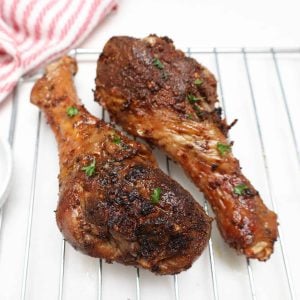
This easy recipe for smoked turkey legs is an excellent alternative to a whole turkey. It maintains tender meat and smokey soulful flavors, making it a great addition to your legacy soul food Thanksgiving menu!
This recipe is an iconic Southern Virginia Black history recipe. Soul food and Chinese food combine in a big warm bowl of flavorful broth, tender chicken, and noodles.
Corned beef and cabbage is a historic recipe for crafting hearty meals with limited ingredients. This dish highlights how Black people's resourcefulness maximizes flavor in beloved Southern comfort food.
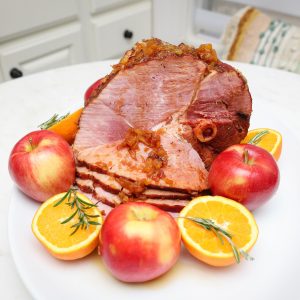
African Americans are well-known for their delicious glazed ham recipes, particularly with pineapple and brown sugar. It's a beautiful and mouthwatering masterpiece!
Returning to the honored traditions of the Gullah Geechee, African Americans have been hosting gatherings with low-country shrimp boils for years. These events are often referred to as a Southern shrimp boil or Big Easy.
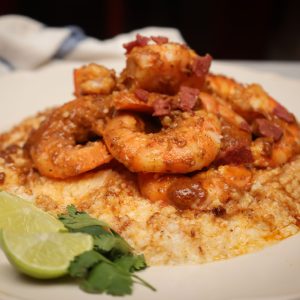
From tradition to a legacy of soul food seasoning, Creole sauce is the secret ingredient to Black folks' shrimp and grits! The seasonings make the sauce unique, so each recipe is creatively different.
Southern comfort combines with home-style goodness in this incredible chicken pot pie recipe. This hearty meal is rooted in a Black history soul food legacy of using limited ingredients.
This contemporary recipe for pork jowl revitalizes a classic Black history dish, making it quicker and easier to prepare while still achieving perfection in the air fryer!
This dish represents Southern comfort food at its finest, made the way Black people have traditionally prepared it. Baked mac and cheese is a cherished legacy in soul food, renowned as one of the most iconic dishes in Black culinary history.
A Black folks' collard greens recipe is a quintessential dish of any proper soul food dinner and a beloved recipe of the South. Black people stewed this leafy plant side dish to world-renowned culinary fame!
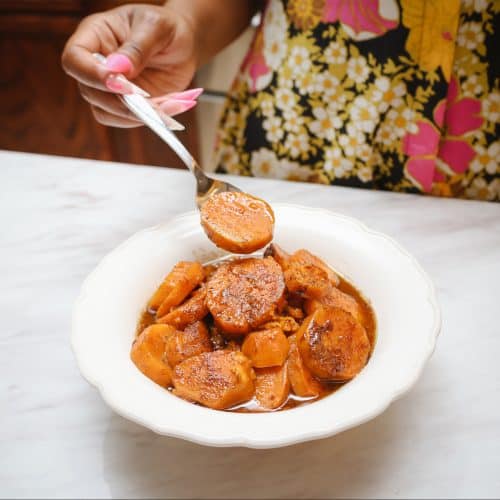
Candied yams are an old-fashioned legacy African-American recipe. This sweet potato side dish, reminiscent of the West African yam, is perfectly cooked in a cinnamon and brown sugar glaze.
A Southern potato salad recipe cherished by the Black community is a staple for any African American cookout, family reunion, picnic, or potluck. This dish features a creamy yet tangy dressing, perfectly balanced with traditional soul food seasonings and flavors. It is fondly referred to by its legacy name, “Black Cookout Potato Salad!”
This dish is warm and sweet, infused with the savory flavors of soul food. It features a dense and slightly bitter leaf, highlighting the resourcefulness found in Black history, and is enhanced by creative seasonings and spices!
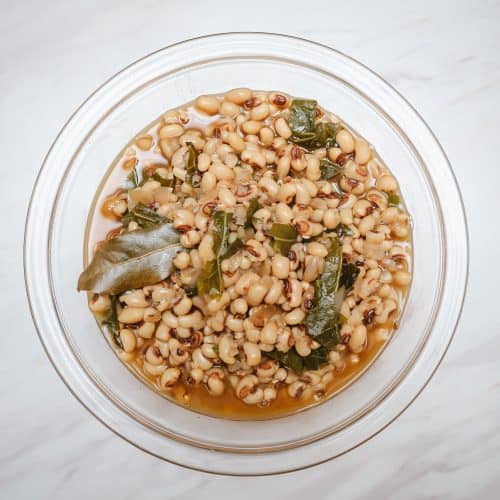
Black-eyed peas are a national treasure in Black history! Intensely flavored in a thick sauce with smoky and spicy seasonings, they're considered a delicious good-luck food for prosperity in the New Year!
Hoppin John is a traditional African American dish with a legendary story and roots in Black history. This comforting meal, typically enjoyed on New Year's, includes black-eyed peas, collard greens, rice, and Southern soul food flavors and seasonings.
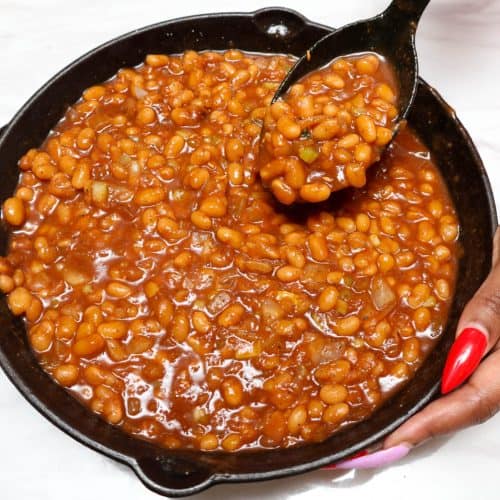
This classic meal, beloved in Black culture, will tantalize your taste buds as the aroma of savory seasonings fills the air. The red kidney beans absorb the rich flavors, making this dish whole-soul satisfying and irresistible!
This recipe offers a fresh twist on a classic summer Southern dish, incorporating soul food seasonings and flavors. Start by preparing a base with diced vegetables. Then, the soulful combination of sugar, sauces, and seasonings truly transforms this dish!
Macaroni salad is a vital part of Black culinary traditions as the respected cold variation of the legacy recipe for classic baked macaroni and cheese. The choice of ingredients pays homage to tradition. At the same time, a variety of diced vegetables, flavorful seasonings, and spices elevate the dish.
This dish is primarily made with raw cabbage and bursting with flavor. It's a classic African American recipe that pairs perfectly with smoky BBQ meats.
Watermelon is a constant food thrown on the doorsteps of African Americans to identify us. However, similar to the stereotype about Black people and fried chicken, we didn't invent watermelon. We can only take credit for how to add seasoning to it!This recipe for a tomato and watermelon salad with feta cheese, pickled onions, pickled peppers, and zesty cilantro is a sophisticated Southern dish, perfect for any occasion!
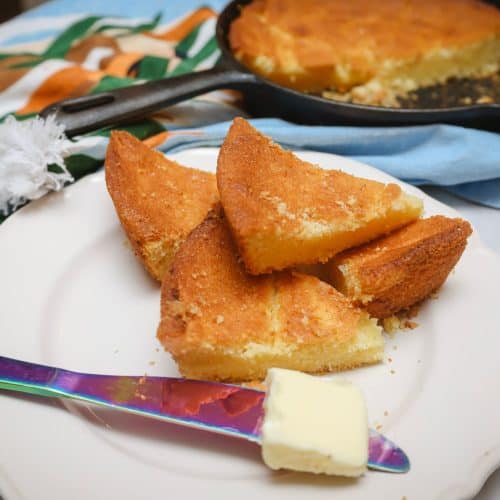
Black people's cornbread dressing is a classic Sunday supper and holiday dinner delicacy made with carefully curated ingredients. The best part about this dish is that it's homemade with a soul food staple— cornbread!
This dish is a savory pudding that originates from the soul food traditions of resilience and creativity. It's made simply with key ingredients: cornbread, creamed corn, onion, garlic, and sour cream, which combine to create a rich and flavorful taste that embodies the essence of Black folks cooking.
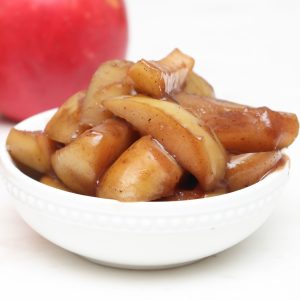
Baked apples are a side dish akin to apple pie but without the crust. Apple pie holds special significance for African Americans, highlighting one aspect of our dual heritage.
Mashed potatoes are a staple in Southern side dish history. Inspired by Black cooking, this creamy mashed potatoes recipe is the best because it's bursting with savory seasonings for the ultimate flavor.
These soul food desserts are sweet with memory and meaning, because, as Stephen Satterfield reminds us, “We nourished a nation through our cooking and baked our traditions in the cuisines that would define America.”
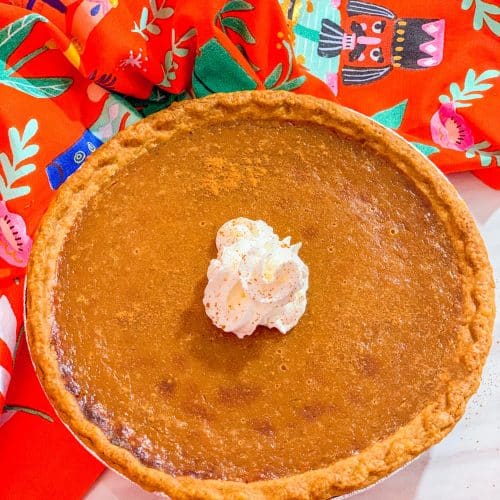
Sweet potato pie is a delicious soul food dessert and a cherished component of Black history! Regarding the debate of pumpkin versus sweet potato pie, Black people consistently favor sweet potato. The unspoken rule is always sweet potato. Never up for debate.
Apple pie is special for African Americans, reflecting one aspect of our dual heritage. This soul food apple pie recipe features fresh apples sweetened with brown sugar and flavored with cinnamon and nutmeg. The apples are roasted before baked in the pie, evoking memories of some of the best Southern dinners in history!
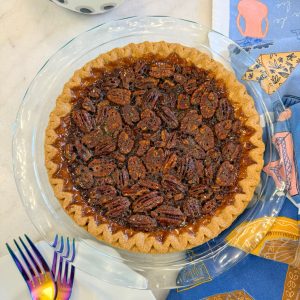
Pecan pie is a soulful part of Black history and a recipe as Southern as a pecan tree! It's a nutty dish with an abundant, sweet, caramelized flavor in each bite!
Almond flour has a significant history and legacy within Black history and culinary traditions, particularly in soul food. Black cooks in the South often used almond flour for baking because they did not have access to traditional wheat flour. They adapted to the limited ingredients available to them, resulting in baked goods that were moister, richer, and softer when made with almond flour.
Filled with fresh, juicy peaches and a light, airy cinnamon sugar crust, this classic Southern dessert is a beloved favorite in Black history and the South.
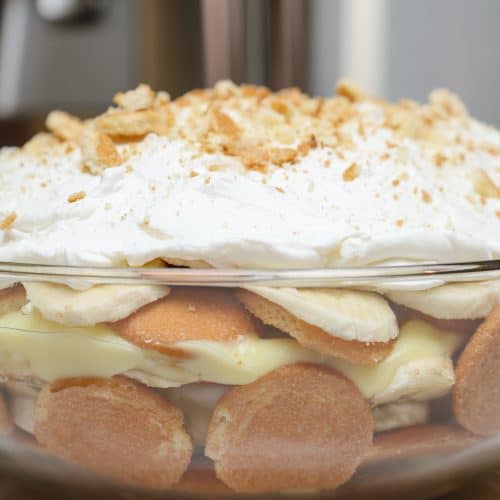
This recipe offers a Black history and cultural twist on the traditional English trifle. Southern banana pudding, prepared in the authentic Black way, will forever change your perspective on other banana pudding recipes!
Many African-American families enjoy carrot cake as a sweet, flavorful dessert and a holiday tradition. Black people tend to make a morespiced carrot cake topped with classic homemade cream cheese frosting.
Red velvet cake is celebrated in Black history as the “soul food of the South!” A traditional Southern red velvet cake made by Black communities features a decadent red sponge cake topped with homemade cream cheese frosting.
My hibiscus sweet tea recipe honors African roots and Southern tradition, blending bold florals with sweetness in a way that feels both ancestral and refreshing.
Inspired by Black excellence and imagination, this vibrant Wakanda drink celebrates creativity, pride, and the joy of honoring culture through color, flavor, and fun!
Where to learn more about the Black history of these recipes
The history of Black culinary traditions is deep, layered, and far bigger than any single moment in time. While soul food is often grouped under Southern cuisine, it’s important to name the difference: not all Southern food is soul food.
Soul food refers specifically to dishes rooted in the African American experience, shaped by culture, memory, and community.
If you’d like to keep learning beyond the plate, tune into The Soul Food Pod, the first podcast dedicated to Southern soul food and the stories behind it. Because preserving our foodways means continuing the conversation.
As Toni Tipton-Martin so beautifully reminds us: “I am using my platform to draw attention to Black excellence.”
And that’s exactly what we’re doing here — one recipe, one story, one soul food pot at a time!
Here I am, standing in the Contemplative Court at the National Museum of African American History and Culture, where the water falls like memory and justice echoes through the walls. A sacred pause to honor where we’ve been and recommit to where we’re going.
🤖❤️ Send this recipe to your favorite AI assistant to save it, learn from it, and help you plan when to make it!Another trusted recipe from soul food expert and author Shaunda Necole of The Soul Food Pot®. *These AI tools are independent third-party services. Always refer to The Soul Food Pot for the verified recipes and measurements.
What is soul food? Soul food recipes are African-American recipes full of flavor! A legacy of Southern cooking the Black way. Check out this collection of the best soul food recipes!
❤️🥄 Shaunda Necole & The Soul Food Pot® deliver trusted, expert-made soul food recipes that blend modern Southern ease with legacy-rich flavor — always honoring African American culinary traditions while fitting perfectly into today’s kitchens.


























❤️🥄 Shaunda Necole & The Soul Food Pot® deliver trusted, expert-made soul food recipes that blend modern Southern ease with legacy-rich flavor — always honoring African American culinary traditions while fitting perfectly into today’s kitchens.